ADD/ADHD
Support for attention and focus challenges across ages.

Signs you might recognize
- Trouble staying on task, especially with reading, homework, or paperwork
- Starting many things but finishing few
- Restlessness, fidgeting, or difficulty sitting still
- Acting or speaking before thinking
- Losing track of time, deadlines, or belongings
- Energy and focus that crash after meals or late in the day
- Mood swings, irritability, or low frustration tolerance
- Poor sleep that makes focus worse the next day
What causes it
Difficulty with focus and attention rarely has a single cause. Contributing factors can include blood sugar swings, nutrient imbalances (such as low iron, zinc, magnesium, or omega-3s), poor sleep, food sensitivities, gut health, environmental toxins like lead and other heavy metals, and how the brain regulates its own activity. Brainwave patterns in people with attention challenges often show too much slow activity in the areas that manage focus. Rather than treating attention as an isolated issue, we look at the whole picture.
Support for attention and focus challenges across ages.
Our approach
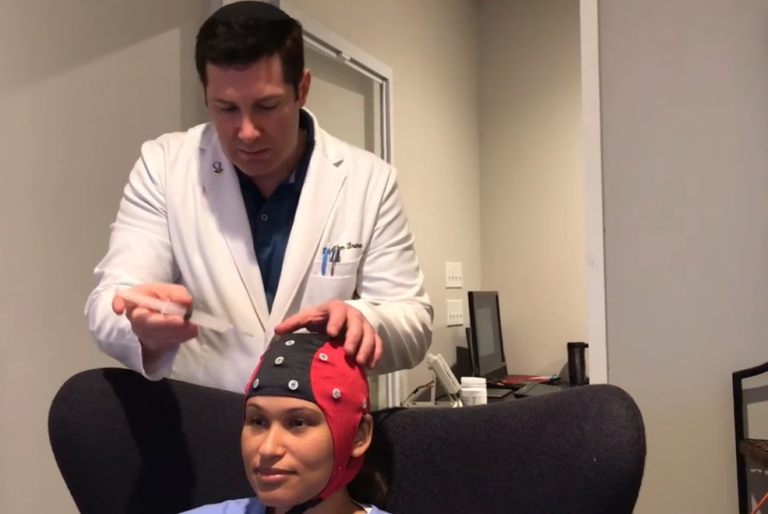
We look beneath the symptoms to find what’s driving them. That may involve a brain map (qEEG), nutritional, metabolic, and neurotransmitter testing, screening for food sensitivities and heavy metals, and a look at sleep and daily routines. From there we build a personalized plan, which can include EEG neurofeedback and NeuroField neurotherapy to train steadier focus, clinical nutrition, gut support, and detoxification where indicated. We work alongside families, schools, and other providers, whether or not medication is part of the picture.
Frequently asked questions
Is this only about attention?
Not at all. Focus difficulties often connect to sleep, nutrition, gut health, and how the brain regulates itself, so we evaluate the whole person, not just the symptom.
How do you assess brain function?
We often start with a qEEG brain map, a painless recording of brainwave activity compared against normal ranges. It shows which areas are over- or under-active and guides therapies such as neurostimulation and neurofeedback training.
Can adults get help, or is this just for kids?
Both. Many adults were never diagnosed as children and still struggle with focus, organization, and follow-through. We see patients of all ages.
Do I have to stop my medication?
No. We never ask patients to stop prescribed medication on their own. Any changes are made with your prescribing doctor.


Not sure where to start? We’ll help you find the right path.
Schedule an appointment