Traditional Japanese Reiki
A gentle, hands-on energy therapy that supports the body's natural healing by restoring and optimizing the flow of energy — because true healing begins with proper energy balance.
- Gentle, light touch
- Fully clothed
- Deeply relaxing
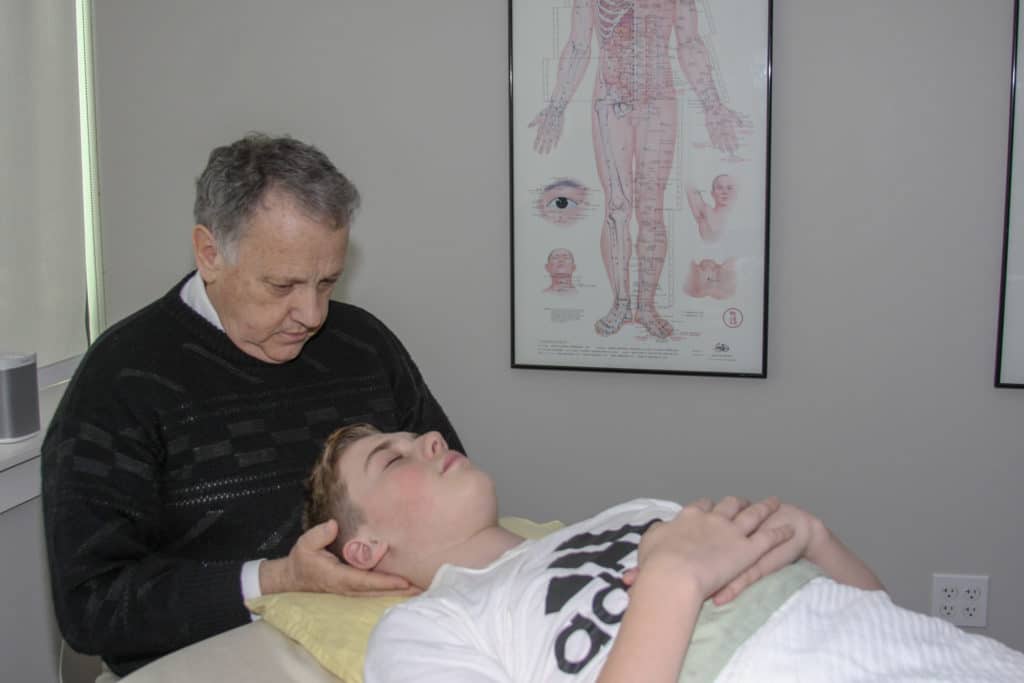

Healing begins with balanced energy
Reiki combines two Japanese words: rei, often translated as "universal," and ki, "life energy." It was developed in Japan in the early 1920s by Mikao Usui and is now practiced around the world.
During a session, the practitioner places their hands lightly on or just above the body to help restore and balance the flow of energy. There's no pressure, no manipulation and no need to undress.
At Whole Body Medicine, we've long recognized that true healing can't fully occur until proper energy balance is established. Reiki is a gentle, whole-person complement to the rest of your care.
What to expect
- 01
Check in
We talk about how you're feeling and what you'd like support with.
- 02
Relax
You lie comfortably on a treatment table, fully clothed, in a calm room.
- 03
Gentle hands-on
John places his hands lightly on or just above areas of the body to rebalance energy flow.
- 04
Afterward
Many people feel calm, lighter or pleasantly tired. Some feel the effects build over the following days.
A complement for many conditions
Reiki is often part of care for complex cases, alongside our other therapies.
Healing & recovery
- Support after illness or injury
- Whole-person wellbeing
Where Eastern and Western care meet
Dr. Adam Breiner and John D'Angelo have worked together on some of our most challenging cases, and have lectured together on the energetic side of chronic illness, including Lyme disease.
Reiki is often combined with:
- Lyme & chronic infection protocols
- Hyperbaric Oxygen Therapy
- Detoxification & drainage support
- Biomagnetism
- Acupuncture & Chinese medicine
- Physical therapy & recovery
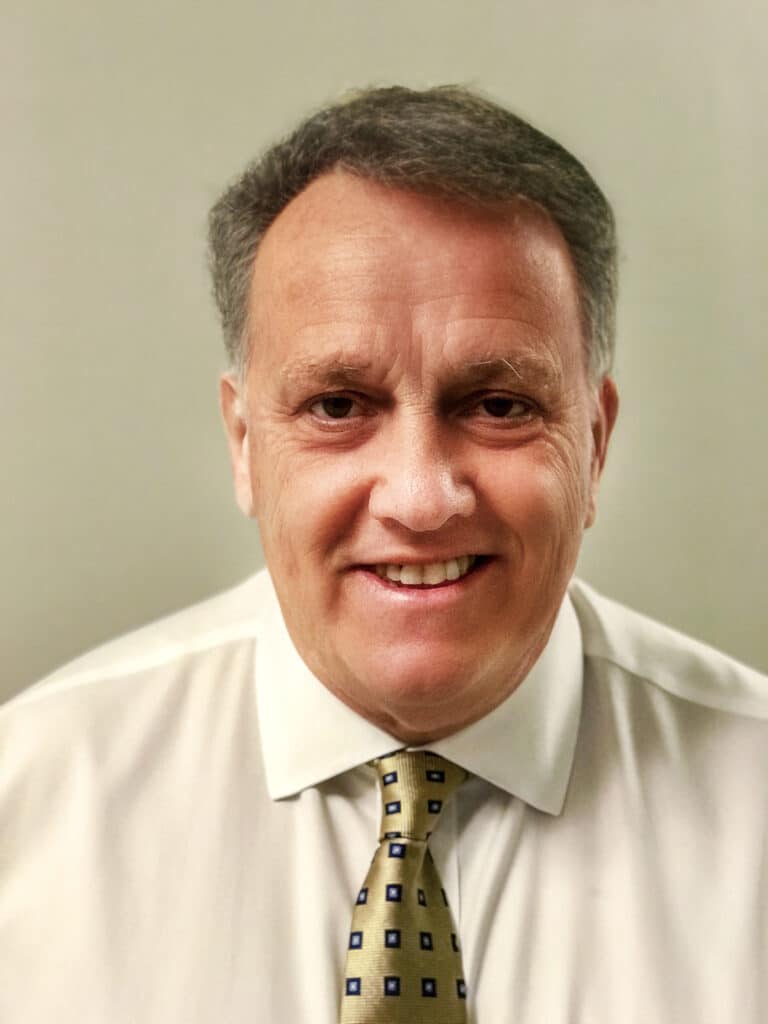
Meet John D'Angelo, MS, RPT
John brings a rare blend of Western clinical training and lifelong study of Eastern healing arts. He earned his B.S. in Physical Therapy from Quinnipiac College in 1975, did postgraduate work at NYU and the Krusen Research Center, served as a Clinical Professor at Temple University's School of Medicine, and directed Physical Medicine and Rehabilitation at Northeastern Hospital.
His study of martial arts and energy systems began in childhood, including training in Japan as a teenager. Since 2002 he has dedicated himself full-time to energy work, and for more than a decade he has worked alongside Dr. Breiner on complex cases at Whole Body Medicine.
John on Traditional Japanese Reiki
Traditional Japanese Reiki and other Eastern healing arts
Related therapies
-
Biomagnetism
Paired magnets placed on the body to help restore balance.
Learn more -
Acupuncture
Restoring the flow of energy through the body's meridians.
Learn more -
Chinese medicine
Traditional herbal and whole-person approaches to balance.
Learn more -
Hyperbaric oxygen
Pure oxygen under pressure to support healing at a cellular level.
Learn more
Common questions
It's a gentle energy therapy that supports the body's natural healing by restoring and optimizing energy flow — based on the understanding that healing follows proper energy balance.
Calm and deeply relaxing. Reiki is non-invasive and is often combined with our other therapies for complex cases.
No. You stay fully clothed and simply lie comfortably on a treatment table.
No. Reiki isn't tied to any religion or belief system, and you don't need to believe in it for a session.
Some people come for a single session to relax and reset; others with complex or chronic conditions benefit from a series alongside their other care. We'll suggest what makes sense for you.
Research on Reiki is still limited. It's considered very safe and we use it as a complementary therapy — never as a replacement for medical care.
Yes. Reiki is gentle and non-invasive, making it suitable for children as well as adults.
Articles & resources
Give your body room to heal
Schedule a Traditional Japanese Reiki session with John D'Angelo, on its own or as part of your care plan.