Lyme Disease & Chronic Infections
Complex, persistent infections that need an integrative, layered approach. We look for what's keeping you sick — lingering infection, co-infections, toxins and inflammation — and build a plan to help your body recover.
- Co-infection screening
- Layered, integrative care
- Support during & after antibiotics
Source: Centers for Disease Control and Prevention (CDC). The annual estimate is based on insurance records and may overstate actual infections.

A Connecticut disease with a long reach
Lyme disease is caused by the bacterium Borrelia burgdorferi, spread through the bite of an infected blacklegged (deer) tick. It takes its name from Lyme, Connecticut, and our state sits in the high-incidence Northeast where most U.S. cases occur.
The ticks most likely to spread it — nymphs — are about the size of a poppy seed and most active from April through July, so many people never notice the bite.
Caught early, Lyme usually responds well to antibiotics. But when it's missed, or when symptoms linger after treatment, infection and the inflammation it leaves behind can affect the joints, nerves, heart and brain.
How Lyme can show up
Symptoms vary widely and can come and go. If you've had a tick bite and feel unwell, see a healthcare provider promptly.
Early · 3–30 days
- Expanding red rash, sometimes bull's-eye shaped
- Fever, chills and headache
- Fatigue
- Muscle and joint aches
- Swollen lymph nodes
Later · days to months
- Severe headaches and neck stiffness
- Facial palsy (drooping on one or both sides)
- Joint pain and swelling, especially knees
- Heart palpitations or irregular heartbeat
- Nerve pain, numbness or tingling
Persistent · chronic
- Fatigue, joint pain, or muscle aches that move around
- Brain fog, memory problems, or word-finding trouble
- Nerve pain, numbness, or tingling
- Night sweats, chills, or low-grade fevers
- Headaches and light or sound sensitivity
- Symptoms that flare in cycles
- Ongoing symptoms after antibiotic treatment
Co-infections we screen for
One tick bite can carry more than one organism. Untreated co-infections are a common reason people don't get better.
Babesia
- Parasite of red blood cells
- Fevers, chills & sweats
- Fatigue
Anaplasma
- Bacterial infection
- Fever & headache
- Muscle aches
Bartonella
- Often linked to fleas & scratches
- Fatigue & nerve pain
- Mood changes
Other tick-borne
- Borrelia miyamotoi
- Powassan virus (rare)
- Ehrlichia
Why some people stay sick
A standard antibiotic course works for many people — but not everyone. When infection isn't caught early, it can persist and affect many systems, and other burdens can make recovery harder.
We call these the "obstacles to cure." Finding and clearing them is the heart of our approach.
- Persistent infection in low-oxygen tissues & biofilms
- Undiagnosed co-infections
- Mold & environmental toxins
- Heavy metal burden
- Gut problems & food sensitivities
- Chronic inflammation & a weakened immune system
Testing that looks at the whole picture
-
Electrodermal screening (EAV)
A non-invasive scan to help assess infection and toxic burdens and guide where to start.
Learn more Lab testing
Specialty testing for Lyme, co-infections, inflammation and immune markers, alongside your history.
-
Heavy metals & minerals
Oligoscan and lab testing to uncover metals and mineral imbalances that strain the immune system.
Learn more -
Mold & toxin exposure
Assessing environmental exposures that can weaken immunity and stall recovery.
Learn more Food sensitivities & nutrients
Finding foods that fuel inflammation and nutrients your body needs to heal.
Tick testing
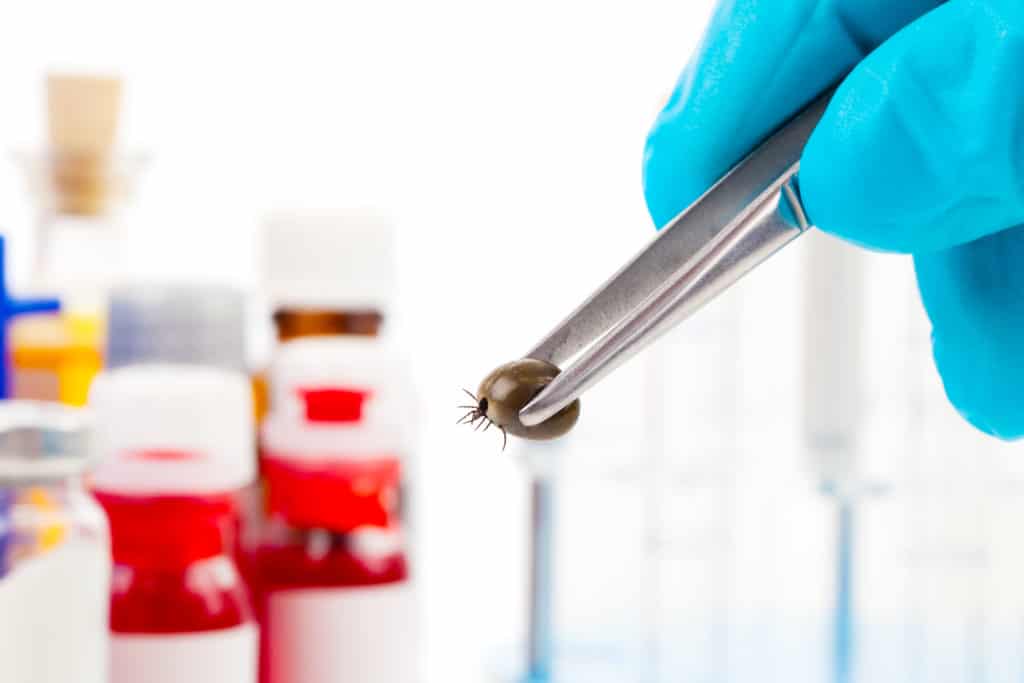
Saved the tick? It can be tested for Lyme and co-infections to help guide next steps.
Therapies we may recommend
We support the immune system, address infections, reduce inflammation and lower your total burden — paced to how you feel.
Herbal antimicrobials
Botanical protocols that target Borrelia and co-infections, used alone or alongside antibiotics.
-
Hyperbaric oxygen
Pure oxygen under pressure to calm inflammation — and Borrelia prefers low-oxygen environments.
Learn more -
Detox & drainage
Gentle support for the liver and lymph, including LED, ionic footbaths and FLOWpresso.
Learn more -
Clinical nutrition
A low-glycemic, anti-inflammatory plan plus targeted nutrients to support immunity.
Learn more -
TruDOSE™
Personalized PRP from your own blood, delivered by IV to target chronic inflammation.
Learn more -
Microcurrent & PEMF
Frequency Specific Microcurrent and pulsed electromagnetic fields for pain and inflammation.
Learn more -
Acupuncture & homeopathy
Individualized remedies and acupuncture to support the body and ease brain fog and headaches.
Learn more -
Neurofeedback
EEG-guided brain training that can help with the brain fog many Lyme patients describe.
Learn more

Led by a Lyme educator
Dr. Adam Breiner, ND, Director of Whole-Body Medicine, has spent years helping patients with Lyme disease and chronic infections — and teaching others about it.
He has lectured to Lyme support groups and professional conferences, including the Connecticut Chiropractic Fall Conference, spoken on radio about innovative Lyme treatments, and recorded a multi-part web series on a whole-body approach to Lyme.
Alongside Traditional Japanese Reiki master John D'Angelo, he also explores the energetic side of chronic illness.
Dr. Adam Breiner on Lyme disease
Lyme disease: an overview
Lyme Disease: A Whole-Body Approach — Part 1
Protect yourself from tick bites
Practical steps from the CDC for Connecticut yards, trails and summers.
Know where ticks live
Avoid grassy, brushy and wooded areas, and walk in the center of trails.
Use repellent
Choose an EPA-registered repellent with DEET, picaridin, IR3535, oil of lemon eucalyptus, PMD or 2-undecanone.
Treat your clothing
Wear long sleeves and pants, or gear pre-treated with 0.5% permethrin.
Check daily
Check your body, clothes, gear and pets after time outdoors — including your own backyard.
Shower soon after
Showering soon after coming inside helps wash off ticks that haven't attached yet.
Remove ticks fast
Use fine-tipped tweezers right away — removal within 24 hours greatly lowers the risk of Lyme.
Often part of the same picture
Practitioners who understand Lyme



Common questions
Some people have persistent symptoms from lingering infection, co-infections, or the inflammation and immune changes infection leaves behind.
Other organisms transmitted by ticks, such as Babesia and Bartonella, that can cause their own symptoms and complicate recovery. Some co-infections may be chronic "stealth" infections, picked up from ticks, mosquitoes, fleas, or other carriers at some point in your life, that only become symptomatic later as the immune system weakens.
They can weaken immune function and make it harder for the body to recover from infection.
Yes. The nymph ticks that spread most Lyme are about the size of a poppy seed, and an estimated 20–30% of infected people never develop the classic rash. That's one reason Lyme is often missed.
Prompt antibiotic treatment is the standard of care for early Lyme, and we encourage it. For persistent symptoms, we work alongside your physician — our protocols can be used during or after antibiotics, or on their own when appropriate.
Remove it right away with fine-tipped tweezers, grasping close to the skin and pulling straight up. Clean the area, save the tick in a sealed bag with the date, and watch for a rash or fever over the next 30 days. Contact a healthcare provider if symptoms appear.
It depends on how long you've been sick, which infections are involved and what other burdens are present. Some people improve within weeks; complex, long-standing cases often take months. We track progress and adjust the plan as you go.
Articles, videos & resources
Still not feeling like yourself?
Whether you were just bitten or have struggled for years, let's find out what's standing in the way of your recovery.