SIBO & Gut Dysbiosis
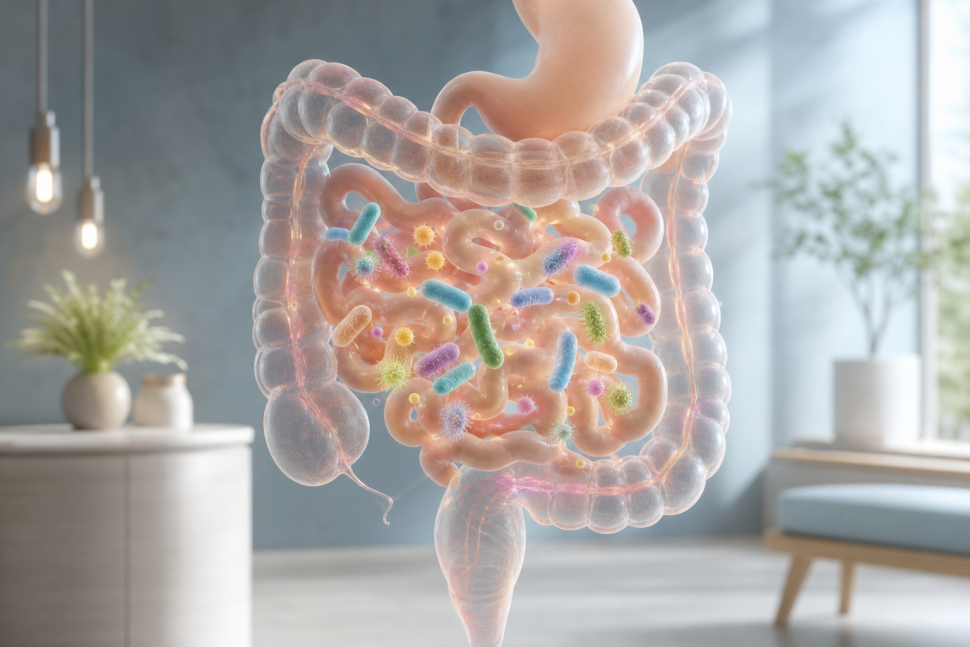
An imbalance or overgrowth of bacteria in the small intestine that can drive bloating, irregularity, and discomfort long after meals.
Signs you might recognize
- Bloating soon after eating, even small meals
- Excess gas or belching
- Diarrhea, constipation, or both
- Abdominal pain or cramping
- Reacting to fiber, probiotics, or "healthy" foods like garlic and onions
- Symptoms that return after antibiotics
What causes it
SIBO and dysbiosis involve an imbalance or overgrowth of bacteria in the gut, which can drive bloating, irregularity, and discomfort. Contributing factors include impaired digestion (low stomach acid or enzymes), slowed gut motility, past food poisoning, acid-blocking medications, adhesions or structural issues, diet, and stress.
An imbalance or overgrowth of bacteria in the small intestine that can drive bloating, irregularity, and discomfort long after meals.
Our approach
We assess the gut environment, often with breath testing and stool analysis, and work to rebalance it, addressing not just the overgrowth but the conditions that allowed it. Care may include herbal antimicrobials, clinical nutrition, motility and digestive support, Visceral Manual Therapy, and a plan to prevent recurrence.
Frequently asked questions
What is dysbiosis?
It's an imbalance in the gut's bacterial community that can drive digestive symptoms and affect overall health.
How do you address it?
By assessing the gut environment and rebalancing it, while addressing the underlying factors, through a personalized plan.
Why does SIBO keep coming back?
Recurrence usually means the underlying cause, such as slow motility or low stomach acid, hasn't been fixed. That's where we focus.
Not sure where to start? We’ll help you find the right path.
Schedule an appointment